The Architecture of Distributed Cognitive Systems
Abstract
Section titled “Abstract”Distributed systems increasingly make decisions from evidence originating in different places, at different times, and with different levels of confidence. This fictional paper explores one principle: keep observation close to the source while allowing knowledge to accumulate across the system.
This is deliberately realistic sample content intended to expose typography, spacing, hierarchy, and layout issues.
1. Introduction
Section titled “1. Introduction”Lorem ipsum dolor sit amet, consectetur adipiscing elit. Sed do eiusmod tempor incididunt ut labore et dolore magna aliqua. Modern systems replace a single decision point with cooperating observers. Each sees only part of the environment, yet the system must still form a useful global picture.
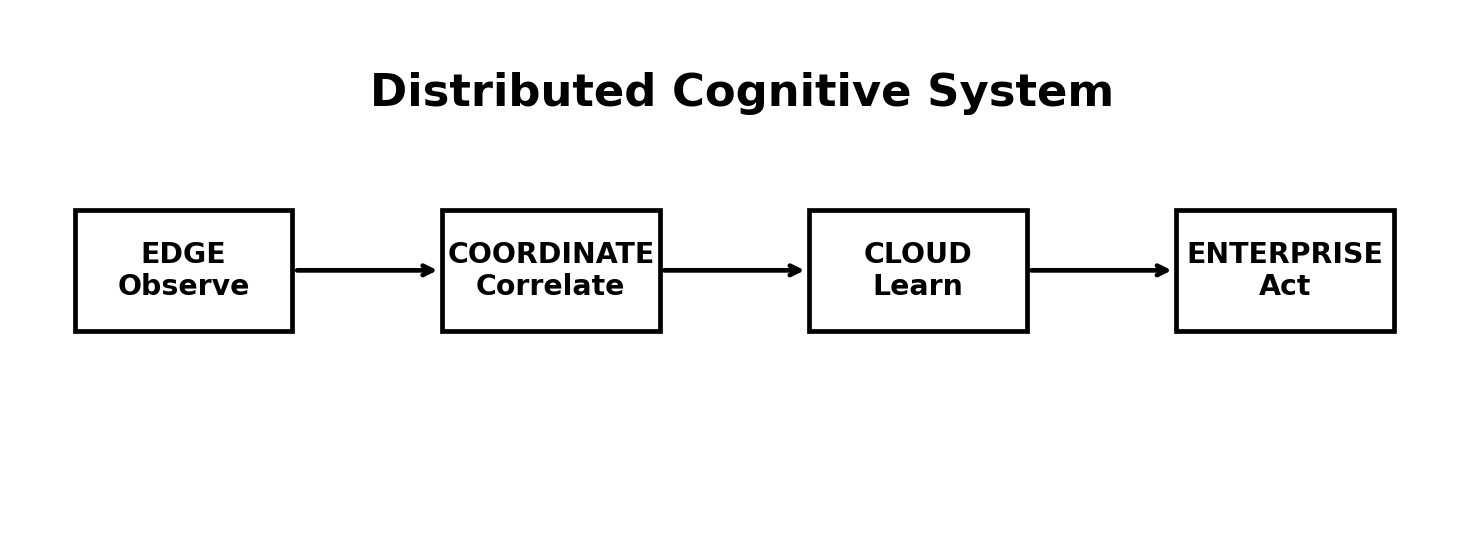
Figure 1. A wide architecture figure for testing image presentation.
2. Design Principles
Section titled “2. Design Principles”2.1 Local evidence
Section titled “2.1 Local evidence”Evidence should be collected close to the component producing it. This reduces ambiguity and allows decisions to continue when upstream services are unavailable.
2.2 Shared intelligence
Section titled “2.2 Shared intelligence”Local observations become more useful when correlated with adjacent observations. The objective is not to centralize every decision, but to allow context to propagate.
| Layer | Primary role | Typical evidence | Example action |
|---|---|---|---|
| Edge | Observe | Sensors, state, events | Isolate |
| Coordination | Correlate | History, peer state | Escalate |
| Cloud | Learn | Fleet trends | Publish policy |
| Enterprise | Govern | Business context | Remediate |
3. Reference Algorithm
Section titled “3. Reference Algorithm”def assess(local_evidence, adjacent_context): posture = correlate(local_evidence, adjacent_context) if posture.risk > THRESHOLD: return Action.CONTAIN return Action.CONTINUEThe example deliberately combines long prose, a wide figure, nested headings, a table, an aside, and source code.
4. Discussion
Section titled “4. Discussion”A distributed architecture introduces trade-offs. Latency may improve because local decisions require fewer round trips, while consistency becomes harder because different observers may possess different information.
- Collect evidence.
- Normalize observations.
- Correlate local and adjacent context.
- Select an action.
- Publish the resulting posture.
5. Conclusion
Section titled “5. Conclusion”The useful question is not simply where does intelligence run? It is which decisions require which evidence, and where can those decisions be made with the least unnecessary dependency?